

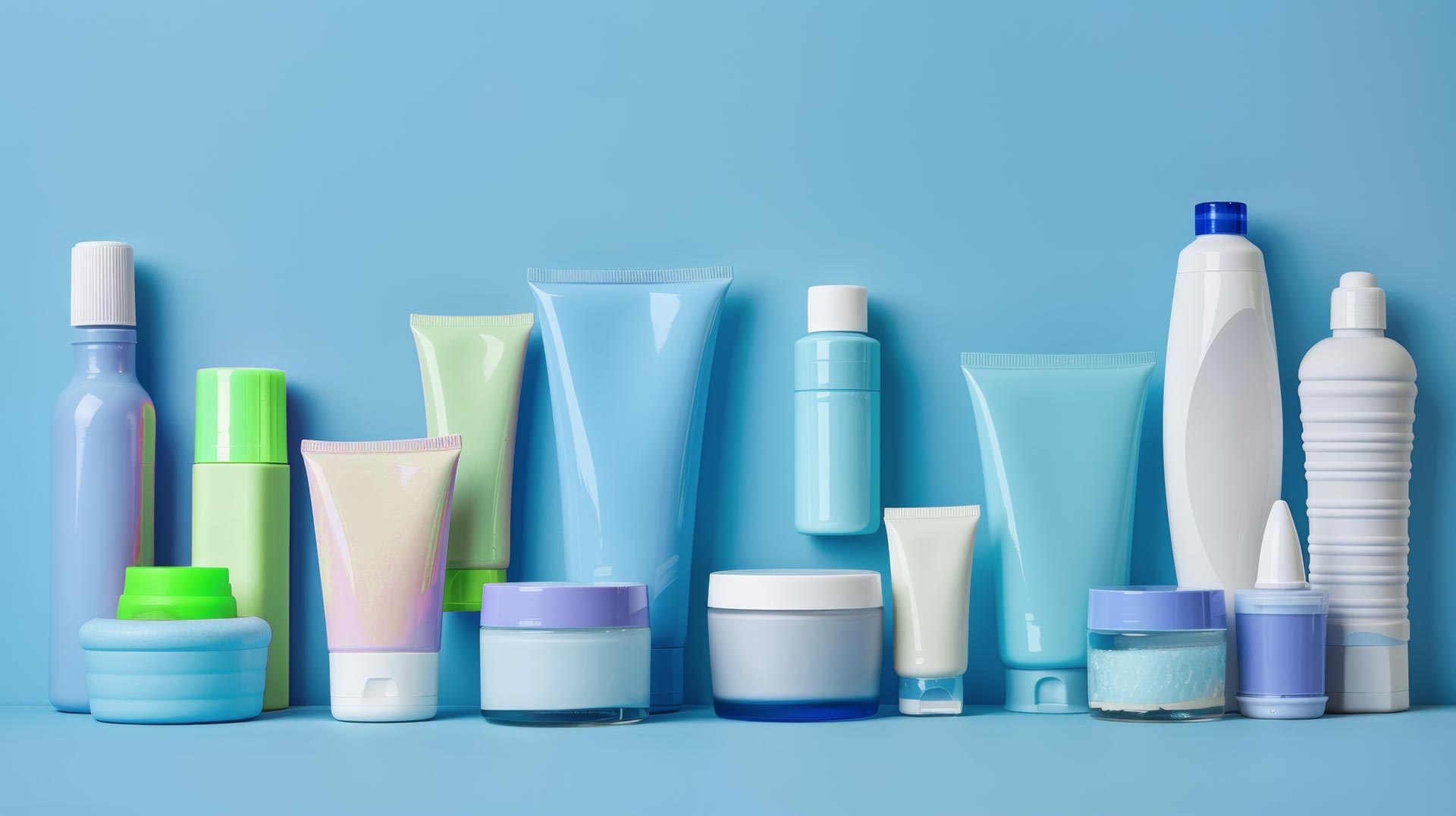
At the core of most cleansing products are surfactants, which lower water tension to trap dirt and oil so they can be easily rinsed away. To keep creams and lotions smooth and prevent water and oil from separating, manufacturers rely on emulsifiers. Preservatives like parabens or phenoxyethanol play a critical role by preventing the growth of harmful bacteria and mold,
At the core of most cleansing products are surfactants, which lower water tension to trap dirt and oil so they can be easily rinsed away. To keep creams and lotions smooth and prevent water and oil from separating, manufacturers rely on emulsifiers. Preservatives like parabens or phenoxyethanol play a critical role by preventing the growth of harmful bacteria and mold, extending product safety. For hydration, humectants such as glycerin and hyaluronic acid are added to draw moisture into the skin, while emollients like plant oils soften and smooth the skin surface. The sensory experience of a product is often elevated by active ingredients—like vitamins, retinol, or salicylic acid—which target specific cosmetic concerns like acne or wrinkles. Additionally, rheology modifiers are used to control thickness, ensuring a gel or lotion pours perfectly without being too watery. Finally, fragrances and colorants are incorporated to enhance the visual and olfactory appeal to consumers. In recent years, the industry has shifted heavily toward green chemistry, driven by demand for biodegradable, plant-derived, and sustainably sourced alternatives. Rigorous safety testing and regulatory oversight ensure these chemicals perform effectively without compromising human health.
Looking for other industries?
We have an extended range of different materials for al kind of industries.